

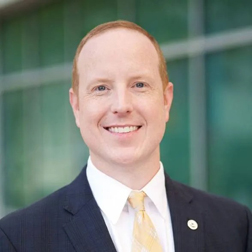
GUEST COLUMN, Vance Ginn, Kansas Policy Institute
If it feels like Christmas keeps getting more expensive, that’s because it is, and Kansans are feeling it more sharply than policymakers care to admit. The rising cost of living is no longer a blip on a chart; it’s a full-blown pocketbook problem showing up in everything from family grocery runs to holiday gift lists. Add in climbing household debt tracked by the Federal Reserve, and families know the truth: their paychecks don’t go nearly as far as they used to.
Credit card balances recently hit an all-time high, and people aren’t swiping for luxuries; they’re financing day-to-day life and now the holidays on top of it. This isn’t overspending. It’s the reality of an affordability crisis where wages simply can’t catch up.
Inflation plays a major role, even if Washington wants to declare “mission accomplished.” Prices don’t fall just because the inflation rate slows. They ratchet up and stick. According to the Bureau of Labor Statistics, food, vehicles, utilities, insurance, and nearly every household necessity remain significantly higher than before the pandemic. And interest rates aren’t cutting Kansans any slack. With the Federal Reserve holding its interest rate target at multi-decade highs, financing a home, a car, or even a modest holiday season costs far more than it did just a few years ago.
The broader economy isn’t helping either. Growth has softened, and real wages still lag inflation. Employers are cautious. Paychecks aren’t stretching to meet the new price reality, no matter how carefully families plan.
Tariffs aren’t the biggest driver of the affordability crunch, but they’re not helping. The question of whether tariffs might “steal Christmas” is worth asking because tariffs operate like quiet taxes built into everyday goods. Research finds that U.S. consumers, not foreign exporters, end up paying most of the cost. When Washington adds trade friction, electronics, toys, clothing, and tools all get pricier at the exact moment families are shopping the most.
Even with these pressures, Kansans are still trying to make the holidays work. Retail spending data show surprising resilience, but only because families are dipping into savings or putting more on credit cards. National emergency-savings surveys make clear that many households have little financial cushion left. What looks like strong shopping often masks stretched budgets beneath the surface.
This isn’t the kind of prosperity Kansas families deserve. Affordability improves when markets stay competitive and open, when taxes remain low, so families keep more of what they earn, and when regulations stay limited so businesses can lower prices instead of raising them. It improves when leaders resist the urge to micromanage trade or fuel inflation with heavy-handed federal spending. Every time the government interferes in the economy, costs rise somewhere — and families feel those costs first and hardest.
The best economic gift Kansas could receive this Christmas is a policy reset — one that trusts people and markets more than politicians and bureaucrats. When prices reflect real competition instead of political engineering, and when Kansans keep more of their own money, life becomes more affordable. That’s when the holidays start to feel joyful again, not stressful.
A freer economy is the surest path to prosperity. Kansas families deserve it.