



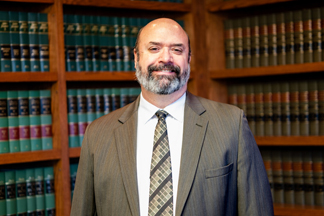
LETTER TO THE EDITOR, James Dodge, Liberal
The current debate over wind energy raises a larger question for Seward County: How should controversial issues be decided in a representative democracy? Public input should shape decisions, but it cannot replace careful deliberation by the representatives elected to govern.
The recent controversy over the revenue neutral rate showed how important citizen engagement can be when residents believe county decisions deserve closer scrutiny. Residents reviewed public records, organized their concerns, and exercised their right to hold elected officials accountable. At the same time, the resignation of commissioners does not necessarily prove they were wrong; it shows that citizens and officials disagreed about what was needed to move the county forward.
Unfortunately, disagreements over public policy recently have too often been accompanied by personal attacks and name-calling. Such rhetoric does little to advance the discussion. As James Madison observed in Federalist No. 10, "as long as the reason of man continues fallible, and he is at liberty to exercise it, different opinions will be formed." In a free society, reasonable people will sometimes reach different conclusions from the same facts.
That same spirit of engagement should guide the wind energy debate. The presence of corporate wind farms in Seward County raise legitimate concerns about property values, quality of life, and limited economic benefit. It is also true that these developments provide new tax revenue, income for landowners, and economic diversification in a region facing long-term agricultural challenges. Supporters and Opponents deserve to be heard and the final decision should reflect a full understanding of the tradeoffs involved.
Some have argued that strong public opinion should trigger a public vote. Public opinion should always be heard and taken seriously, but public sentiment, while important, is not the only measure of sound policy. We should be cautious about demanding a public vote whenever a proposal is unpopular or controversial. Representative government exists because elected officials are expected to weigh evidence, consider competing interests, and judge what will best serve the community over the long term.
Citizens should remain engaged, informed, and willing to hold officials accountable, and elected leaders should listen carefully and explain their decisions clearly. As neighbors with a shared future, we should approach difficult decisions in good faith, with thoughtful deliberation and respectful debate. Seward County will be best served when we consider not only what is popular today, but what will strengthen the community tomorrow.