



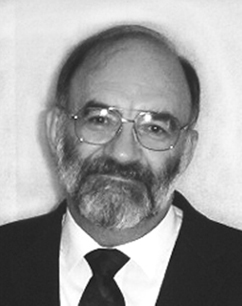
MY PERSPECTIVE, Gary Damron
Our pastor chose a familiar sermon passage, Jesus feeding the multitude, for the Sunday before Thanksgiving. Other than the resurrection, this is the only miracle recorded in all four gospels, illustrating its importance to the early church.
Thanksgiving in America brings our attention each year to what we have, though for some people, it may accentuate what is lacking. For some, the table will be full and the house noisy with laughter. For others, the day carries an empty chair, a strained relationship, or less than plenty.
The scripture in John 6:1-15 shows Jesus crossing to the far side of the Sea of Galilee, with a large crowd following Him because of signs He had already performed. Jesus looked up as they approached, and saw their need before anyone mentioned it. He turned to Philip, though He knew what He was going to do, and asked how they could feed them all. This opened an invitation for the disciples to see through Jesus' eyes. Philip calculated the cost and concluded that buying food for so many was next to impossible. Andrew, brother of Simon Peter, noticed a boy with small barley loaves and two fishes, and to his credit, he mentioned the boy to Jesus. The small offering was humble, the simple meal of a poor person, yet in Jesus' hands, abundance resulted.
Probably most of us know the feeling of looking at our energy - resources - emotional strength or time - and concluding this is not enough for what lies ahead. This well-known miracle reminds that the issue is not what we have, but whether we're giving it to Jesus. Thanksgiving is a great time to practice surrender and change our focus.
The story also illustrates that Jesus includes us in His work. The disciples were involved at every stage, problem-solving, seating the people, distributing food, gathering leftovers. We're not merely here to watch as spectators; we are created to join Him in noticing needs, in serving, in giving, and in sharing what we have. Our partnership with Jesus is part of the relationship as a Christian. What a blessing to experience Him not just as the One who provides for us, but as the One works through us.
After the people sat down, Jesus took the loaves, and gave thanks. Notice that the thanks occurred before the miracle happened. The need was still there and the solution unseen, but gratitude came first. We can begin to thank God in advance, because we know He is faithful.
Everyone ate till they were filled, and then twelve baskets of leftovers were collected. His provision was more than enough! This is the heart of the One we follow: Jesus provides out of the overflowing abundance of a loving heavenly Father. The same Jesus who multiplied bread on a Galilean hillside invites us to bring our needs today.
A key lesson from the passage is that it's important to love the Giver more than the gift. After the miracle, when the crowd saw in this Teacher a steady supply of food, and wanted to force Him to be their king, Jesus withdrew from their presence.
They again tracked him down, this time in Capernaum. In John 6:26, Jesus told them they were searching because they'd eaten their fill, but they didn't understand the sign. He was not there merely to fill stomachs, but He had come to give Himself. He urged them to seek food that endures, and declared that He is "the bread of life" (John 6:25, 48, 51).
Thanksgiving is a time to avoid the mistake of the people in Galilee. Yes, we can enjoy the blessings, and we should give thanks. But we must take care not to ignore the Giver. This week is not primarily about turkey or tradition - it's about turning our attention to our creator, from whom all blessings flow. James wrote, "Every good and perfect gift is ... from the Father" (1:17). The food on our tables, the people around them, the breath in our lungs, the strength for another day, all come from Him.
Jesus is the greatest gift God has given. When we commit our life to Jesus, we receive forgiveness, adoption into God's family, the presence of the Holy Spirit, and the promise of eternal life. The invitation is the same, whether our table is full or wanting. We bring what we have, trust Him, and give thanks for what we have. Above all, we keep our eyes on the Giver. His truth will keep us steady, humble, and filled with gratitude—not only on Thanksgiving, but through every ordinary day that follows.