As part of a continuing process of improving the state’s transportation system, the Kansas Department of Transportation is looking at ways to update and refine its highway project scoring and selection process.
As part of this, KDOT officials want to understand what is important to Kansas motorists, and the agency recently hosted five listening sessions, including one in Dodge City,for them to provide input on ways to refine the existing scoring process and help identify areas for improvement.
KDOT’s current scoring process has been called one of the most robust in the country and has served Kansas well for many years, and shifting trends and technology advancements offer an opportunity to refresh and modernize approaches.
Methods of energy transmission continue to be discussed and recently, some work in Kansas could help with that.
Thursday, the U.S. Department of Energy (DOE) announced 10 proposed National Interest Electric Transmission Corridor projects have been scaled down to three, none of which will run through Kansas. In the meantime, the Grain Belt Express transmission line, approved by the Kansas Corporation Commission (KCC) in 2011, will continue through the state regulatory process, according to a release from the State of Kansas.
One Liberal woman and five Liberal youth suffered injuries of varying degrees in an accident Thursday afternoon in eastern Seward County.
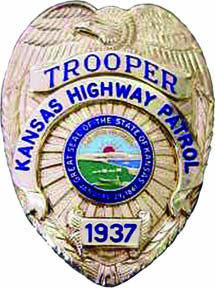
The Kansas Highway Patrol reported around 2:30 p.m. Tuesday, a 2011 Town and Country was eastbound on Road 13 near Road Y when, for an unknown reason, the vehicle lost control.
The debate surrounding prescription drug prices continues and recently, the U.S. Department of Health and Human Services (HHS) announced some good news with just that.
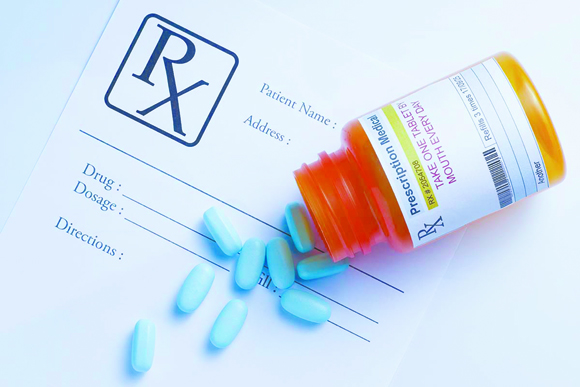
Friday, HHS, through the Centers for Medicare & Medicaid Services (CMS), announced some Medicare enrollees will pay less for 64 drugs available through Medicare Part B. The drugs will have a lowered Part B coinsurance rate from Jan. 1, 2025 through March 31, 2025, since drug companies raised prices for each of these 64 drugs faster than the rate of inflation, according to a release from HHS.