



EARL WATT
• Leader & Times
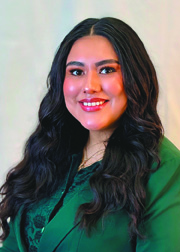
During Monday’s Seward County Commission meeting, Dist. 3 candidate Lizette Avalos-Morales addressed the commission regarding the recent ICE activity in Southwest Kansas including Seward County.
According to Avalos-Morales, the silence coming from commissioners has not been lost on the community.
“I want to speak about the ICE operations that occurred in Seward County a few weeks ago, which affected members of our community,” Avalos-Morales said. “Others have already spoken about these operations, so I will assume you heard the concerns of your constituents raised at the last meeting. What I want to bring to your attention today is how your silence has been interpreted by the public. When elected and appointed officials remain silent on an issue that deeply affects our community, that silence can be perceived as acceptance or complicity.”
According to a press briefing by the Department of Justice, 103 illegal immigrants were apprehended across Kansas during the action including Seward County. During that briefing five individuals were named as being arrested, but the DOJ later explained that those five had been arrested during earlier actions and not the most recent actions that took place across Kansas.
Avalos-Morales continued to explain the differences between federal and local jurisdictions, but there were actions the local commission could take.
“I understand that federal agencies operate under their own jurisdiction and that you cannot override federal authority through local legislation,” she said. “However, remaining silent is not the answer. When I look at our community, I see division fear and frustration. And as elected and appointed representatives, you have a responsibility to help bring people together. Staying silent does not make what happened go away. You may have heard from only two constituents during the last meeting, but hundreds of people in this community have spoken out. We saw multiple days of protest, hundreds of social media posts and footage involving protestors and a member of the sheriff’s department that went viral and reached people far beyond Seward County.”
Avalos-Morales did not directly address the issue of immigration status, but she spoke about showing compassion and concern for those affected as well as facility usage.
“People are speaking up because they care about their neighbors, their families, and the community they call home,” Avalos-Morales said. “I am disappointed the only public comments I have heard addressing the situation have come from County Administrator April Warden. Our community deserves to hear directly from its elected and appointed leaders. I also want to address a comment Commissioner Clay Louderback made in a public interview following the candidate forum. He stated if ICE conducted operations in Seward County, they would likely use the Activity Center rather than office spaces. Although that was not a formal motion or an official decision, it raises an important question about the use of county facilities and resources. Based on my research, I understand the county may have discretion over access to certain county-owned buildings. I encourage you to consult legal counsel to clarify your authority. I am asking the county commission to prohibit ICE agents from using county-owned, taxpayer-funded buildings and resources for their operations to the extent that is legally permitted.”
The Seward County Commission has not hosted one town-hall style meeting in 2026 on any issue even though wind, roads and the recent ICE action in Kansas have raised public concerns. Still, Avalos-Morales encouraged the commission to facilitate such discussion.
“I also urge you to host a public discussion about what occurred, clarify the county’s role, and explain what steps you can take to support our community moving forward,” she said. “During the candidate forum, some of you expressed you were disheartened by what happened and that reform is needed. I understand immigration reform will not come from the county level, but there are things you can do locally. You can speak up, you can be transparent with your constituents. You can explore what limits you have on the use of county resources and buildings, and you can show empathy for the people who live, work, raise families, and pay taxes in this county. You may not have control over federal operations, but you do have a responsibility to the people you represent.”
Seward County has a majority Hispanic population, and Avalos-Morales said that engaging with the public and being responsive to their needs was key to serving as an elected official.
“Our community is watching, and people want to know where their elected and appointed leaders stand,” she said. “I urge you to take these concerns seriously, engage in an open public discussion. Be proactive and demonstrate through your actions that every member of this community matters. That is what leadership is about, and your community is holding you to that standard.”