



ELLY GRIMM
• Leader & Times
The dog days of summer are well upon the U.S., and in many rural areas, that means dealing with insect bites and the illness that could come with them.
CDC data shows tick-bite ER visits are currently at their highest levels for this point in the year since at least 2017, and approximately 476,000 Americans are diagnosed and treated for Lyme disease annually. Statistics also show an estimated 31 million Americans are bitten by ticks every year.
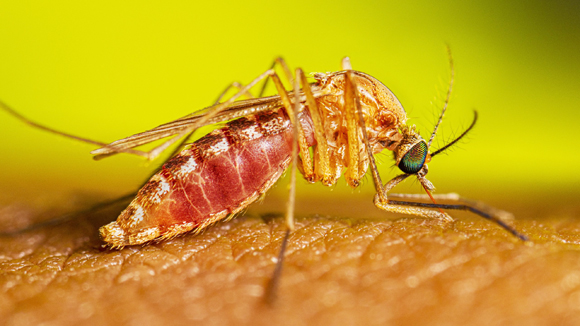
Recent reporting also shows West Nile virus cases have hit a 22-year spike this year, and mosquitos with West Nile virus have been found all over the country from Texas to California to Rhode Island.
Kurt Avery, founder of Sawyer (a leader in outdoor protection), said there are many factors to keep in mind as the summer continues with ticks.
“With ticks, obviously we know Lyme Disease and Rocky Mountain spotted fever, but there are so many other illnesses people can get from being in contact with them,” Avery said. “Ticks are very slow-moving creatures, and they only breathe every 15 minutes, so you have plenty of time to get rid of them if you find one on your clothes or skin. The number one way to prevent ticks is to use permethrin. Even if you just do your shoes and your socks, you're 72 times less likely to get a tick bite than anything else because that's where they're going to start. They're going to work their way up. People need to make sure they avoid areas where there are mice, squirrels, rabbits and similar animals because that's where the ticks really come from, not the big animals, so you want to keep your yard kind of rodent free. Another thing is, if you treat your clothes, when a tick crosses one inch of fabric treated with the permethrin, it is going to die that day. It will not embed. They're always looking for the back of the knees, the armpits, if they get stuck up at the head, because they're always going up. But once they cross a little fabric, that's it. Obviously, if you have it's warm out and you got bare skin, a topical repellent will repel them as well.”
Hunters and others planning other outdoor activities especially should take tick prevention measures, Avery said.
“One of the biggest tips for the hunters is once they've made their kill, and when the animal cools down, all the ticks leave, and a deer can have hundreds of ticks on it,” Avery said. “Before you throw it in the back of the truck, take a permethrin treated blanket or canvas so when all the ticks fall off, they're all going to die, and you don't bring home 100 live ticks. For families planning a picnic, we suggest bringing a mosquito net, treating it with permethrin and sitting on the mosquito net. Then the ticks can't get you and you’ve got a nice barrier there.”
Avery added permethrin is also good assistance in dealing with mosquitoes.
“Like with ticks, if you use permethrin on the clothes or on your backpack or whatever you're sitting on, it will repel mosquitoes. Permethrin is going to repel the mosquito, as will the topical repellents, the things you put on your skin. And if you’re going to be outside with the children, you can treat the stroller, you can treat the net over the stroller, all those kind of things to keep the mosquitoes away,” Avery said. “We're into picaridin because picaridin is not a plasticizer; it's not going to melt anything. Permethrin is actually from the chrysanthemum plant, and picaridin is from the pepper plant, so they're much more mild than you would do the classic deet products, Dawn and dusk are when mosquitoes are particularly prominent, and we highly advise people to not keep standing water around since that's what the mosquitoes would breed in. There's also what's called the inverse pyramid – what happens is during the winter, everybody gets healthy, and then we start out in the spring and then one person gets diagnosed with West Nile, then another and then another. By the time you get to August, you have to have West Nile in the human population for a mosquito to transmit it to another human. So the population of people with West Nile gets bigger and bigger and bigger over the summer. August is usually when you hear about the most about the mosquito issues, but it's all year long since they're out all year long.”
And it is not just humans who can be affected by insect-borne illnesses, Avery said.
“We definitely recommend keeping an eye on your pets. Permethrin can be used, and a treatment on dog hair will last about a month or even a bit longer. Cats can’t be treated with it, but they can be around permethrin when it’s dry after their area’s been treated. Tick checks are very important – if the dog just went wandering off into the woods chasing a squirrel or something, that can increase the odds that they may have one.”
For those who do find themselves ill, Avery said it is important to seek treatment.
“Many of these illnesses are easily knocked out with antibiotics and typically with the tick ones, you'll feel like you’re dealing with a cold with a fever and feeling weakened,” Avery said. “If you think you got a tick bite because you just did a big hike in the woods and then a day or two later you're feeling like you got a cold or something, there's good odds that maybe you have, so pay a visit to your doctor and get the medicine you need.”