




- Details
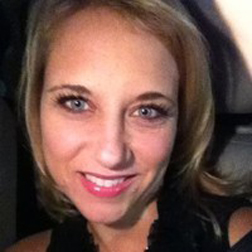
THE POSTSCRIPT, Carrie Classon
I am made entirely of habits.
This is not an original observation. Annie Dillard wrote: “How we spend our days is, of course, how we spend our lives.” I either love that quote or hate it, depending on how I spent my day.
I am thinking about this because I was trying to break a habit of mine: sitting up late at my computer, mindlessly scrolling and snacking. I do this because I am tired — not hungry — and I feel too lazy to read a book or do anything useful, but it seems too early to go to bed. So instead, I end up full of peanuts and chocolate chips. I don’t sleep well, and I don’t fit into my jeans. I have concluded that this is not a good habit. So I resolved to break it.
- Details
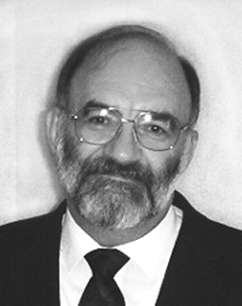
GUEST COLUMN, Micheline Stephens, PCG Medical
Every day across America, children with spina bifida, adults with spinal cord injuries, and seniors with debilitating illnesses rely on catheters to perform one of the body's most basic functions safely.
For years, my company has helped many of these medically vulnerable people stay healthy at home.
Most people never think about urological supplies like catheters. But for people who cannot urinate on their own, they're as medically necessary as insulin or a wheelchair. Getting the right product -- and getting it on time -- can be the difference between stability and a trip to the emergency room.
That's why a little-known Medicare policy moving forward in Washington is deeply concerning.
Read more: OPINION – Medicare’s new cost-cutting plan could put patients at risk
- Details
THE POSTSCRIPT, Carrie Classon
About a million years ago (or at least it feels that way), I used to produce theater. The season ended just before Christmas with “A Christmas Carol,” and a peculiar thing would happen just as the last show closed.
I would get a fever.
I was always in the show, and sometimes I would feel my fever rising before Scrooge had Tiny Tim on his shoulders. I’d check my forehead, and sure enough, before the audience had made it out into the cold winter night, I would have a fever, which would be followed by congestion and coughing and everything else that comes with a bad cold.
- Details
MY PERSPECTIVE, Gary Damron
Each child enters life with weaknesses to face a world of struggle and turmoil. The Bible explains the condition clearly: we are born in the likeness of Adam, the first man who turned away from God. Yet in the same Book, we find the most hopeful news imaginable. Through Jesus Christ we're invited to leave behind our old identity and become a child of God. The transformation is not a small religious upgrade. It is a complete change of family, a new birth that redefines who we are.
In 1 Corinthians chapter 6, the apostle Paul listed behaviors outside God's kingdom, then he added three words that describe are acts of God, and which usher in new life and new growth. "Such were some of you; but you were washed, but you were sanctified, but you were justified in the name of the Lord Jesus Christ and in the Spirit of our God."
- Details
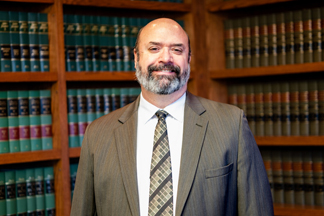
LETTER TO THE EDITOR, James Dodge, Liberal
The current debate over wind energy raises a larger question for Seward County: How should controversial issues be decided in a representative democracy? Public input should shape decisions, but it cannot replace careful deliberation by the representatives elected to govern.
The recent controversy over the revenue neutral rate showed how important citizen engagement can be when residents believe county decisions deserve closer scrutiny. Residents reviewed public records, organized their concerns, and exercised their right to hold elected officials accountable. At the same time, the resignation of commissioners does not necessarily prove they were wrong; it shows that citizens and officials disagreed about what was needed to move the county forward.
Read more: OPINION – Public engagement important but not only factor in making decisions
More Articles …
Page 7 of 32